Match the Louisville method to the facade material and visible soil
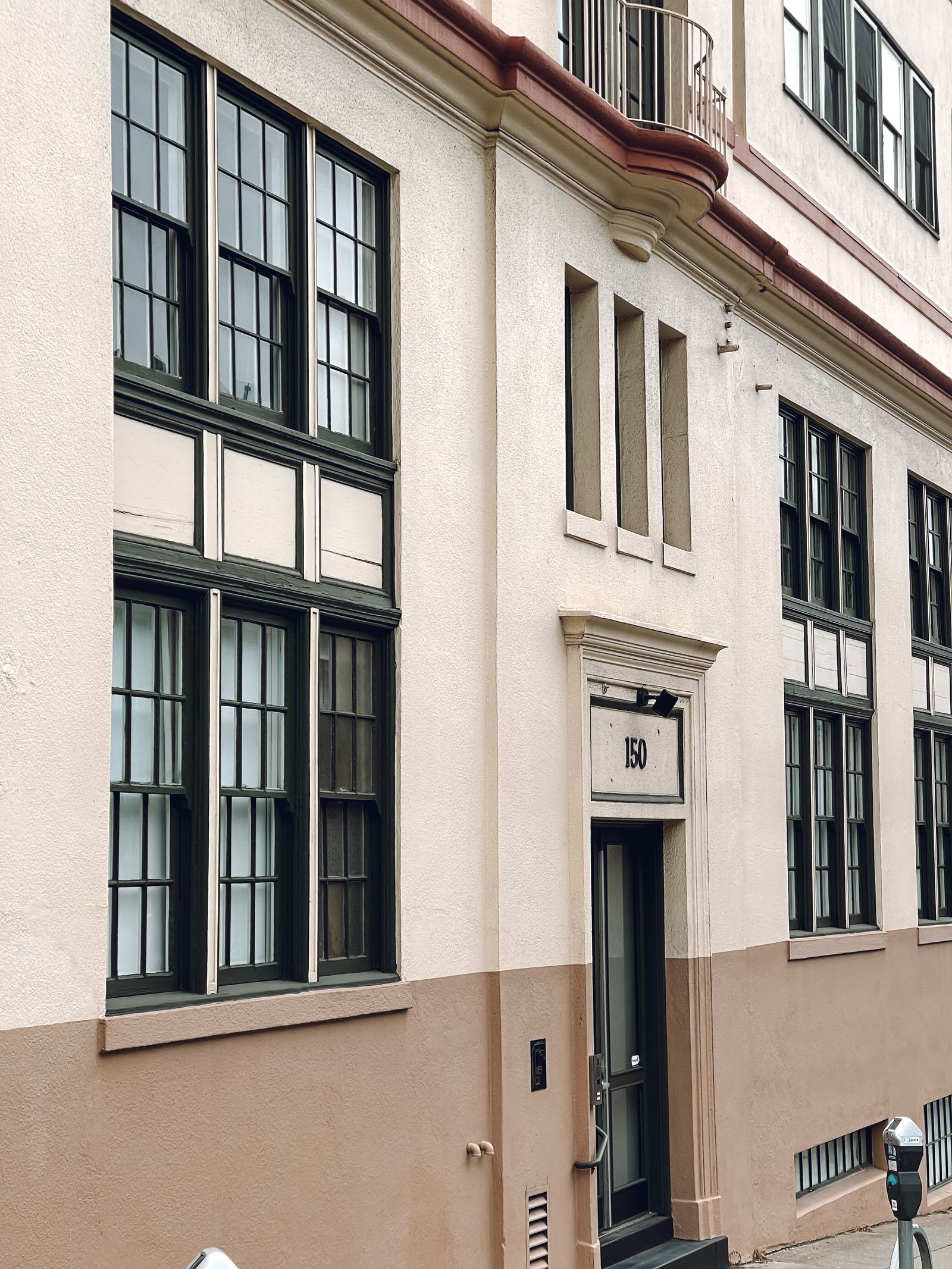
Louisville commercial properties commonly combine historic brick, mortar, limestone, cast stone, concrete, precast, painted surfaces, EIFS, stucco, glass, metal panels, tile, and sealants. A restored Main Street or NuLu property may place older masonry and decorative details beside newer storefronts. A hotel near Whiskey Row may include guest entrances, porte cocheres, balconies, signs, and broad upper walls. A suburban office in St. Matthews or the East End may combine brick veneer, EIFS, glass, and landscaped setbacks. Each surface can require a different chemistry, dwell time, rinse approach, pressure limit, protection plan, and finish expectation.
Soft washing may address compatible algae, mildew, pollen, bird residue, and atmospheric film when the surface and condition support the method. It does not repair cracked masonry, failed mortar, spalled concrete, corroded metal, failed coatings, active leaks, or water entering the wall. A dark streak may be organic growth, soot, oxidation, hard-water residue, traffic film, or a roofline problem. A test area and dry-down inspection can help establish the likely result before a full building is scheduled. The quote should distinguish routine cleaning from glass detailing, mineral removal, restoration, coating work, and repairs so the owner knows what the service is intended to accomplish.
- Separate brick, limestone, concrete, EIFS, glass, metal, painted, and decorative areas.
- Identify pollen, organic growth, bourbon-district traffic film, mineral deposits, and damage.
- Define whether the goal is a maintenance rinse, presentation reset, or detailed finish.
- Keep leak diagnosis, joint repair, coating replacement, and restoration outside routine washing.
Schedule around bourbon tourism, hotels, healthcare, and tenants
Louisville hospitality properties are active operations rather than empty facades. Hotels near Whiskey Row, the Convention Center, the Highlands, the airport, and the riverfront may have arrivals, valet traffic, restaurant seating, tours, weddings, conferences, deliveries, and rideshare activity beside the work zone. Distilleries and bourbon-tourism properties may need a polished public presentation while protecting guests, tour groups, barrels, signage, entrances, and outdoor areas. A medical office or hospital campus around Downtown, the Medical District, or St. Matthews may need tighter controls around patients, visitors, emergency routes, HVAC intakes, and sensitive equipment.
An office, mixed-use building, school, or retail property in NuLu, Clifton, Crescent Hill, Germantown, or the East End may have a schedule that changes by tenant and entrance. Before work begins, identify guest and tenant routes, accessible travel, loading docks, parking, outdoor dining, event dates, security procedures, emergency access, and the person who can pause the job. A hotel may need the porte cochere completed in a low-arrival window. A clinic may need a quiet sequence away from appointments. A quote should show how elevations will be phased, how entrances will be handed back, and how the property team will be kept informed.
Account for Ohio River humidity, pollen, storms, and winter change
The Ohio River corridor, shaded streets, mature trees, roof edges, and covered entrances can keep some Louisville surfaces damp longer than exposed elevations. Spring pollen can leave a yellow film on glass, signs, ledges, and painted panels. Summer heat and humidity can change dwell time and drying, while traffic around Downtown, the airport, river crossings, and industrial corridors can add soot and road film. A repeated streak may be caused by a downspout, roof edge, irrigation line, failed joint, or other moisture path. A recurring cleaning plan should follow the observed exposure and property standard rather than an automatic interval.
Heavy rain, lightning, gusts, and fast-moving summer storms affect spray control, aerial stability, runoff, and walking conditions. Freeze-thaw weather can expose weak mortar, cracked coatings, and damaged concrete, while water on ramps, sidewalks, parking decks, or loading areas can become an icing or slip concern. A calendar date is only a target. Field checks should include wind, lightning, precipitation, temperature, surface moisture, visibility, and pedestrian conditions. If the storm path changes, a person enters the work area, or water begins traveling differently than expected, the work should pause, the area should be secured, and the plan should be reassessed before continuing.
Use drone assistance only where Louisville's site supports it
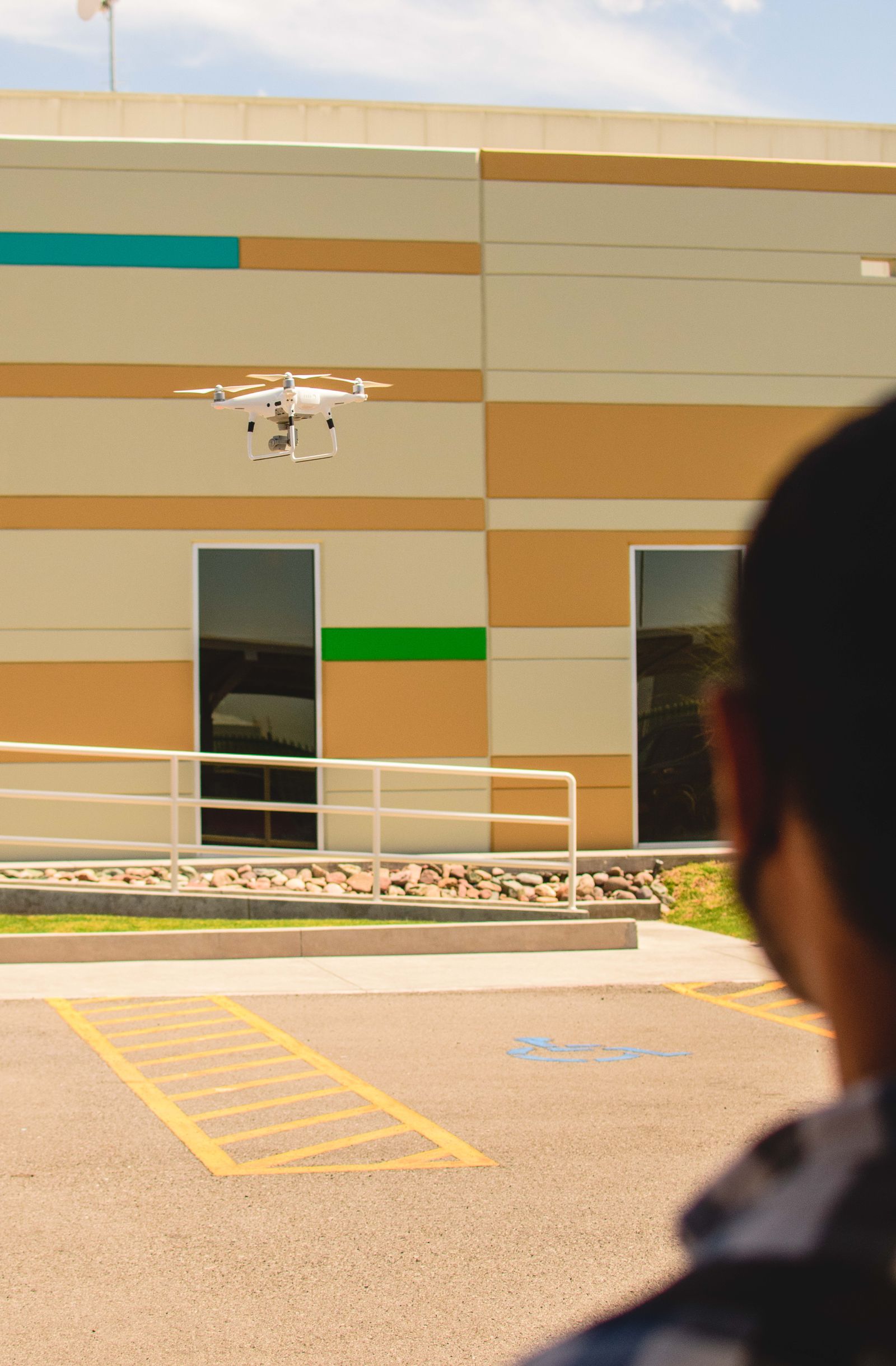
Drone-assisted application or rinsing may support broad compatible upper elevations when the crew has workable stand-off distance, clear visual control, manageable wind, an appropriate launch and recovery area, water access, and a controlled ground zone. It can reduce some lift repositioning on a warehouse, hotel, office, or broad facade, but it is not a universal replacement for contact access. Windows requiring squeegee detail, bonded mineral deposits, fragile trim, recessed details, scraping, brushing, polishing, repairs, and close inspection may still need a pole, lift, roof-access method, or hand work.
Louisville International Airport, Bowman Field, heliports, hospital flight activity, bridges, utility lines, mature trees, cranes, rooftop equipment, dense sidewalks, and events can affect aerial feasibility. Commercial operators must follow applicable Federal Aviation Administration requirements and obtain any needed authorization; ownership permission does not replace aviation rules. A responsible proposal identifies the elevations where aerial assistance is expected, the ground controls and spotters, the weather limits, the stop triggers, and the backup method. A hybrid scope can use aerial support on a compatible upper wall while keeping entrances, glass, canopies, lower elevations, and detailed features under direct control.
Protect Louisville drainage, landscaping, guests, and public routes
Before work starts, map public sidewalks, accessible routes, doors, air intakes, cameras, signs, vehicles, landscaping, irrigation, low points, parking decks, loading areas, and catch basins. A downtown hotel may need a spotter at the entrance. A bourbon tourism site may need barriers that protect visitors and outdoor displays. A healthcare property may require facilities coordination around patient paths and mechanical equipment. A logistics building near the airport or river may need the work sequenced around trucks, gates, loading docks, and shift changes. Hose routing and a clear handback should be part of the quote, not an afterthought.
Water management depends on the product, removed soil, rinse volume, surface slope, drains, low points, landscaping, and the actual discharge route. A visible curb inlet is not automatic permission to send wash water into it. The plan may require protection, diversion, collection, recovery, reduced rinse volume, filtration, or coordination with the responsible authority. The property and contractor should agree on assumptions and a stop condition if observed flow differs from the plan. At closeout, completed areas should be photographed, access routes returned to service, controls removed, and remaining deposits or repairs documented.
- Locate drains, low points, landscaping, irrigation, doors, intakes, vehicles, and hose crossings.
- Coordinate guest, patient, tenant, delivery, accessible, and emergency routes.
- State water-management assumptions and pause triggers before the rinse begins.
- Record completed elevations and any mineral deposits, repairs, or specialty work left outside scope.
Build a one-time Louisville reset or recurring exterior program
A one-time cleaning may be useful before a bourbon-tourism season, hotel event, ownership visit, lease tour, inspection, listing, renovation handoff, or tenant opening. Prioritize the entrance, sign band, canopy, public-facing elevations, and stains visible from the street or parking area. A phased first visit can improve the customer-facing parts of a building while leaving low-priority elevations for a later budget cycle. This is often more practical than treating every wall as equally urgent when the property must remain operational.
Recurring maintenance can make sense when shade, tree cover, pollen, river humidity, traffic film, irrigation, or hospitality brand standards create predictable resoiling. A program may separate hotel entrances from broad walls and use different methods for glass, masonry, canopies, rooflines, and lower elevations. The right interval should come from observed condition, previous results, weather, access, budget, and the property's event calendar. Closeout notes should record completed zones, photos, weather interruptions, access limitations, remaining deposits, and recommended follow-up so the next visit is based on evidence rather than a generic promise.
Request a quote tied to the Louisville property
Send the property address, wide and close photos, approximate height, facade materials if known, priority elevations, desired result, preferred dates, water access, drainage concerns, guest or tenant restrictions, delivery windows, and event dates. Prior cleaning records, repair notes, drawings, and information about leaks or sensitive equipment can improve the first review. We can then determine whether a remote review, site visit, test area, specialty evaluation, or hybrid access plan is appropriate.
A useful Louisville commercial soft-washing quote should state the zones, materials, visible soil, proposed method, access plan, water assumptions, operating window, weather limits, intended finish, exclusions, and closeout documentation. It should separate broad facade washing from high-detail glass, hard-water removal, construction residue, oxidation, graffiti treatment, canopy work, restoration, and building repairs. Tell us what must look better and when the property must remain open. Call +1 239-351-2897, email contact@dronebuildingcleaners.com, or request a quote so the scope fits the building rather than a generic equipment setting.